
Do You Need a Permit to Build a Fence in Vancouver?
Understand fence height rules, permit basics, material choices, and professional installation considerations before starting your Vancouver fencing project.
GET A FREE CONSULTATION →Building a fence is one of the most practical ways to improve privacy, security, curb appeal, and property boundaries. Before starting a fence installation project in Vancouver, it is important to understand the basic height rules, site conditions, and when a permit may be required.
1. Front Yard Fence Height
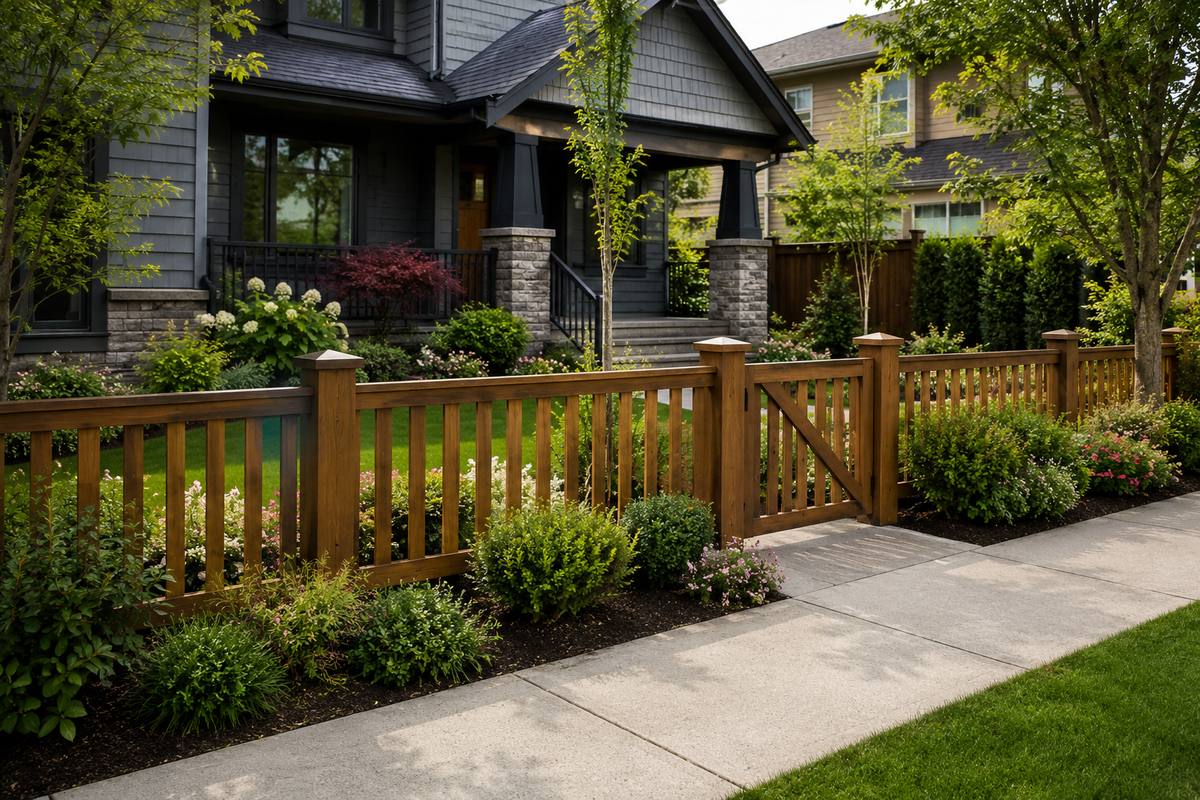
For many single detached homes or duplexes, a fence along the front yard property line may not require a permit if it stays within the common front yard height limit. This makes the front yard a better place for decorative fencing, lower wood fencing, ornamental metal fencing, or a semi-open design.
- Advantages: clean curb appeal, clear boundary definition, and a more open street appearance.
- Best for: decorative front yards, garden boundaries, and properties where visibility matters.
2. Side & Rear Yard Fence Height
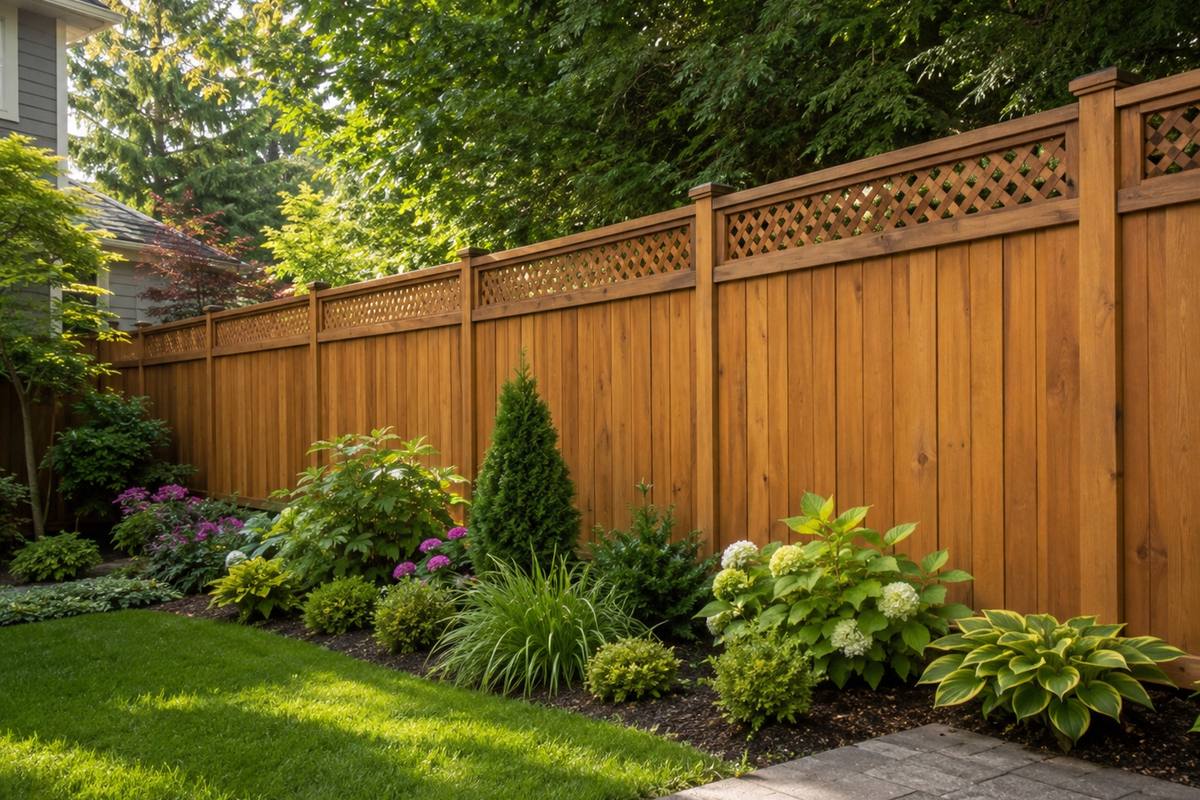
Side and rear yard fences are commonly taller because they are often used for privacy, separation, and backyard security. A properly planned backyard fence can define your outdoor space, reduce visual exposure from neighbouring properties, and improve everyday comfort.
- Advantages: stronger privacy, better enclosure, and long-term comfort for outdoor living areas.
- Best for: families, pets, private backyards, and properties that need a more secure perimeter.
3. When to Check with the City
Even if a fence project looks simple, there are situations where you should confirm the rules before moving forward. Over-height fences, corner lots, retaining walls, gates, pergolas, and uncertain property lines can all affect the approval process or the final design approach.
Taller fences may require review or discretionary approval depending on the property conditions.
If the exact boundary is unclear, confirm it before installation starts.
Corner-lot fencing and driveway-adjacent fencing should be planned carefully.
Official Fence Rule References
This article is a practical planning guide. Before construction, homeowners should verify current rules directly with the City of Vancouver or the relevant municipality.
Need Help Choosing the Right Fence Height?
Our team can help you choose the best fencing solution for your property, budget, and long-term needs.
GET A FREE CONSULTATION →4. Fence Materials for Vancouver Weather
Vancouver’s climate is wet for much of the year, so material selection matters. Cedar remains a popular choice for its natural look and privacy. Chain link is practical and cost-effective. Aluminum and composite options can offer lower maintenance and modern curb appeal depending on the project goals.
Warm appearance, classic style, and strong privacy for residential properties.
Practical, durable, and ideal for larger boundaries or commercial spaces.
Cleaner modern look with reduced maintenance and strong curb appeal.
5. Why Professional Installation Matters
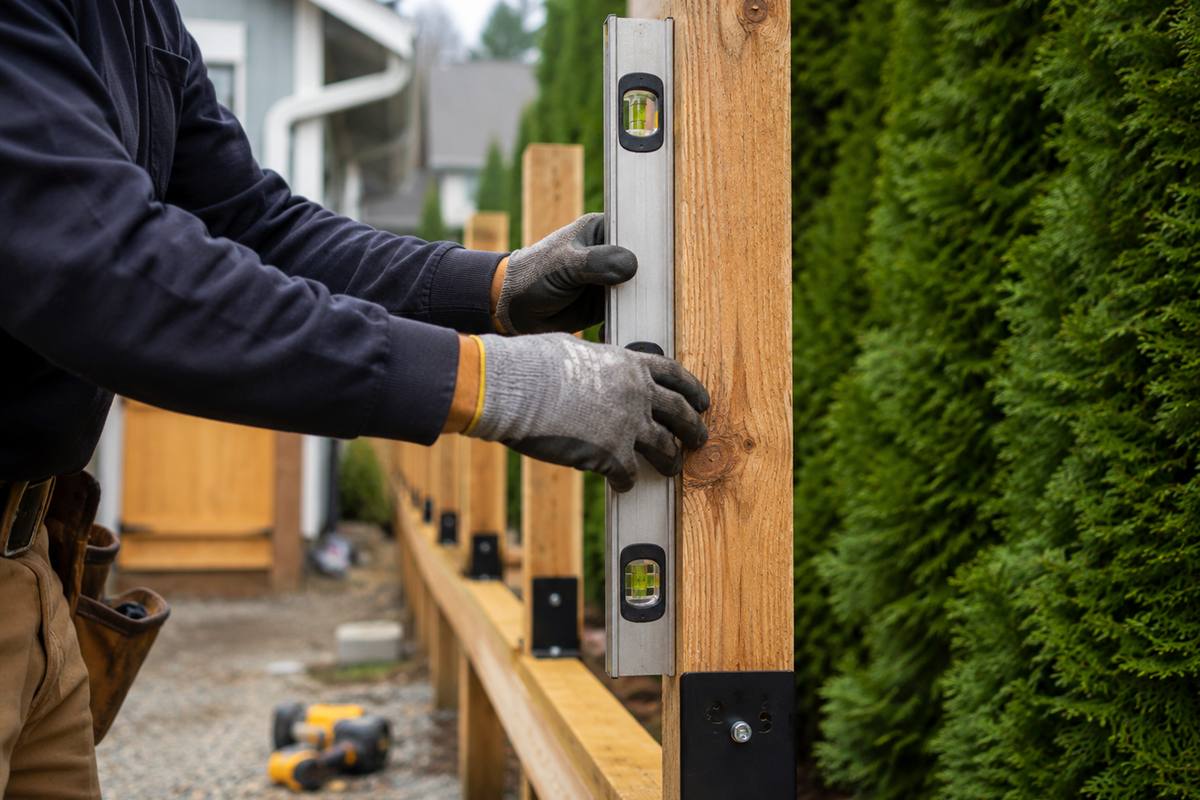
Even high-quality fence materials can fail if they are not installed correctly. Proper post depth, alignment, drainage, and finishing details all affect the strength and lifespan of your fence, especially in Vancouver’s wet climate.
If you want a stronger and longer-lasting result, professional installation helps reduce common mistakes and protects the value of the project.
Explore More FenceFormers Resources
Frequently Asked Questions
Many standard residential fences may not need a permit if they stay within common height limits, but special site conditions can change the requirements.
Front yard fences are usually lower than side or rear yard fences. Always confirm current municipal rules before building.
In many cases, a 6-foot side or rear yard fence is possible, but exact property conditions and local rules should be checked first.
A professional installer can help with layout, post alignment, material choice, gate installation, and long-term durability.
Ready to Start Your Fencing Project?
FenceFormers provides professional fencing solutions for homes, businesses, and industrial properties across British Columbia.